

What determines the music we discover? Is it a DJ, a record store clerk, a playlist curator, a social media trend, or an algorithm? The answer has changed dramatically over the decades, and it continues to evolve.
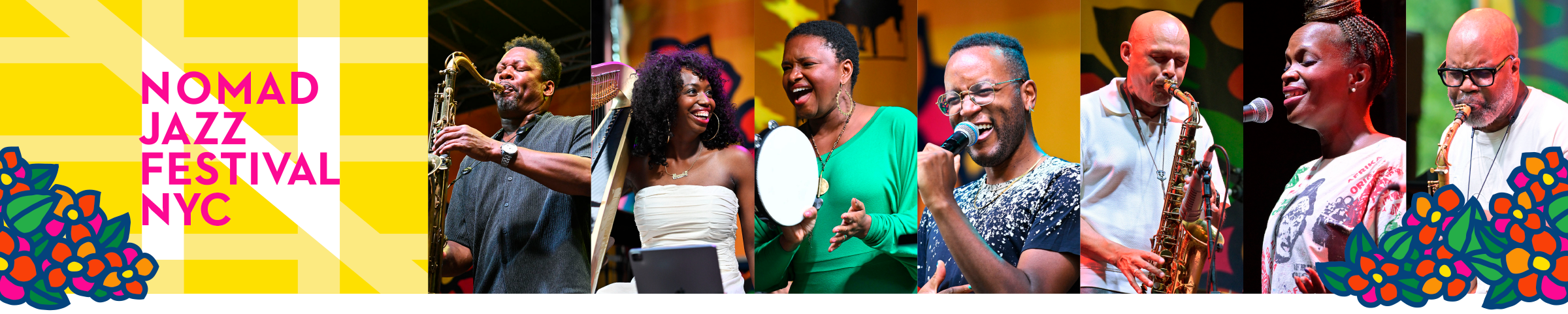
On June 16, Happy Media and NoMad Jazz Festival invite music lovers, artists, managers, and industry professionals to explore that question during The Evolution of the Mixtape, a special panel presented as part of New York Music Month, an initiative of the NYC Mayor’s Office of Media and Entertainment.
The date carries its own musical significance. June 16 is the birthday of Tupac Shakur, one of the most influential artists of his generation and a figure whose rise was shaped by many of the discovery channels that transformed music culture in the 1990s.
For decades, mixtapes served as a powerful tool for discovery. Long before streaming services and social media feeds, carefully assembled cassette tapes introduced listeners to new artists, hidden gems, and emerging sounds. Mixtapes were personal. They reflected taste, trust, and community. A recommendation from the right person could change what you listened to for years.
Today, discovery happens through a much wider range of channels. Playlists, algorithms, influencers, independent curators, radio personalities, and online communities all play a role. While technology has changed the process, the fundamental question remains the same: who do we trust to guide us toward something worth hearing?
The Evolution of the Mixtape takes a practical look at how music discovery works in 2026. The conversation will examine who holds influence, how artists gain visibility, and what managers and creators need to understand about validation, audience growth, and long-term value.
The discussion will be moderated by Emmy Award-winning broadcaster Rose M. Crichton-White, whose work at Hot97 and KissFM has given her a front-row seat to the changing landscape of music discovery.
Joining her will be Dr. Chelsey Green, Chair of the Recording Academy Board of Trustees and a professor at Berklee College of Music. She will share insights on stewardship, advocacy, and the role institutions can play in supporting artists while encouraging independent voices.
Steve “Rhythm” Clarke, respected A&R executive and producer, will bring the perspective of New York’s street-level music culture, reflecting on the days of crate-digging, local tastemakers, and grassroots discovery that helped shape generations of artists.
Representing the next wave of music influence are The Mixtape Queens, whose work highlights the continuing importance of intentional curation and community-driven discovery. Their perspective demonstrates how trusted voices continue to shape listening habits, even in a digital world.
Throughout the event, curated music and sound clips will help illustrate the evolution of discovery across multiple eras. These audio moments will bring the discussion to life, connecting historical context with today’s rapidly changing music ecosystem.
The event takes place at Chelsea Studios, a state-of-the-art recording and immersive audio space designed for contemporary music creation, listening, and cultural exchange. The setting provides an ideal backdrop for a conversation about how music travels from artist to audience.
Whether you are an artist looking to expand your reach, a manager seeking insight into today’s discovery landscape, or simply a passionate music fan, this event offers a fascinating look at the forces shaping what we hear and how we find it.
Event Information
Happy Media + NoMad Jazz Festival Present: The Evolution of the Mixtape
Date: June 16, 2026
Time: 2:00 PM to 3:30 PM
Location: Chelsea Studios, 220 West 18th Street, New York City
Admission: Free with registration: Registration Link
Join us for an engaging conversation that traces the path from cassette mixtapes and record store recommendations to playlists, algorithms, and the future of music discovery.